
We believe keeping a healthcare facility or food processing environment clean shouldn't require a chemistry degree or a hazmat suit. If you're running an aged care home, managing a hotel kitchen, or overseeing sanitation on a production line, you already know the pressure: auditors expect spotless surfaces, patients and guests expect safe spaces, and your team needs to get it done without drowning in chemicals. GreenEze Pty Ltd's industrial steam cleaning systems offer Australian operators a way to tackle these demands using just tap water and high-temperature Blue Steam.
How Does Steam Cleaning Work?
Industrial steam cleaning systems heat ordinary tap water beyond 100°C, typically reaching 170°C or higher, and deliver it as high-quality dry steam with humidity as low as 5%. That near-dry vapour penetrates surfaces, loosens organic residues, and destroys bacteria, mould, and biofilm in a single pass.
Because the steam is nearly moisture-free, surfaces dry almost instantly. This matters in healthcare corridors where foot traffic can't stop and in food production areas where moisture encourages microbial growth.
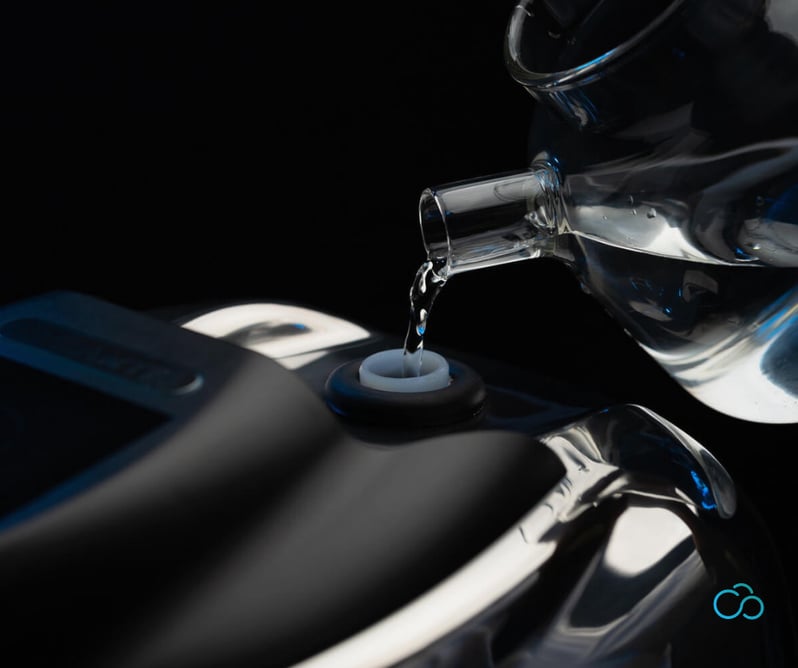
Unlike chemical-based cleaning, there's no mixing step, no dilution ratios to get wrong, and no rinse cycle needed afterward. You fill the tank with tap water, wait for the boiler to reach temperature, and start cleaning.
Health Care Facilities: The Benefits of Steam
Immediate pathogen elimination on high-touch surfaces
Bed rails, door handles, nurse call buttons, and wheelchair armrests collect pathogens throughout the day. Blue Steam at 170°C kills most forms of microorganisms on contact, and the surface is ready for use again in seconds.
No chemical residue in patient areas
Patients with respiratory conditions, open wounds, or compromised immune systems are vulnerable to chemical irritants. Using a steam-based approach means no fumes, no bleach splashes on soft furnishings, and no residual odour in patient rooms.
Reduced staff exposure to hazardous substances
Cleaning teams in hospitals and aged care facilities handle disinfectants daily. Over time, exposure to compounds like sodium hypochlorite and quaternary ammonium can cause skin irritation, respiratory issues, and occupational health claims. Replacing even a portion of chemical-based protocols with Blue Steam technology lowers that exposure across every shift.
Faster room turnaround for patient transfers
Terminal cleaning after patient discharge typically involves multiple chemical applications, contact times, and drying periods. Steam cleaning compresses that timeline because there's no required chemical contact time and surfaces dry almost immediately. Beds can be re-allocated sooner, reducing bottlenecks in admissions.
Food Processing Sanitation: The Benefits of Steam
In food processing, sanitation isn't optional. It's a regulatory requirement under Australia's Food Standards Code, specifically Standard 3.2.2, which requires food businesses to keep premises, fittings, equipment, and transport vehicles clean and sanitary.
Critical control points addressed by steam
HACCP plans identify specific points in production where contamination risk is highest. Industrial steam cleaning systems can be deployed at these points to address conveyor belt joints, packaging line seals, cold room walls, and processing equipment surfaces where organic residues accumulate.
In our experience, operators who integrate steam cleaning at critical control points report fewer corrective actions after audits because the process is consistent, repeatable, and not dependent on individual staff members getting chemical ratios correct.
Reduced downtime between production runs
Traditional sanitation in food facilities involves flooding surfaces with water and detergent, scrubbing, rinsing, applying sanitiser, waiting for contact time, then drying before restarting production. That sequence can take hours.
Steam cleans, sanitises, and dries in a single pass. Surfaces are ready for production restart almost immediately. For facilities running multiple shifts, that time saving compounds across every sanitation cycle.
The Environmental Benefits
We believe cleaning shouldn't come at the cost of the environment. For healthcare and food processing operations, the environmental case for reducing chemical dependence is significant.
Lower wastewater contamination
Chemical cleaning produces wastewater loaded with surfactants, disinfectants, and dissolved organic matter. This wastewater enters municipal treatment systems or, in some cases, waterways. Steam cleaning produces only water vapour and condensed water, dramatically reducing the chemical load in your facility's effluent.
Reduced plastic packaging waste
Every chemical product comes in a plastic bottle, drum, or canister. A facility using 20 different cleaning products across multiple areas generates significant plastic waste monthly. Replacing even half of those products with a steam-based system reduces plastic consumption proportionally.
Lower carbon footprint from chemical production
Manufacturing cleaning chemicals requires energy-intensive processes, raw material extraction, and transportation. GreenEze's own mission reflects this: we aim to reduce the global chemical impact of cleaning, sanitation, and disinfection. By replacing chemical products with Blue Steam, facilities can reduce up to 95% of CO2 emissions associated with producing cleaning and disinfection supplies.
Extended equipment lifespan
Aggressive chemicals corrode stainless steel, degrade rubber seals, and damage sensitive medical equipment finishes over time. Steam is gentler on surfaces. Facilities using steam report fewer equipment repairs and replacements related to chemical corrosion, extending the useful life of expensive assets.
How Does GreenEze Support Commercial and Healthcare Operators?
At GreenEze, we're passionate about helping Australian businesses clean with confidence. Our EV International Blue Steam systems are built in Italy with over 50 years of European manufacturing experience, and more than 5 million units have been sold worldwide.
We know investing in a quality steam cleaning system is an important decision. That's why we focus on education before sales. If you're comparing options for your hospital, aged care home, or food processing facility, we'll happily walk you through the differences, answer your questions honestly, and help you determine whether a steam system fits your specific operational needs.
These aren't throwaway plastic appliances designed to be replaced every few years. EV Blue Steam systems are built from stainless steel, designed to become trusted tools in your daily operations, and engineered to last more than 20 years with regular servicing. That's a long-term partnership, not a one-off transaction.